
Wednesday, March 25, 2026
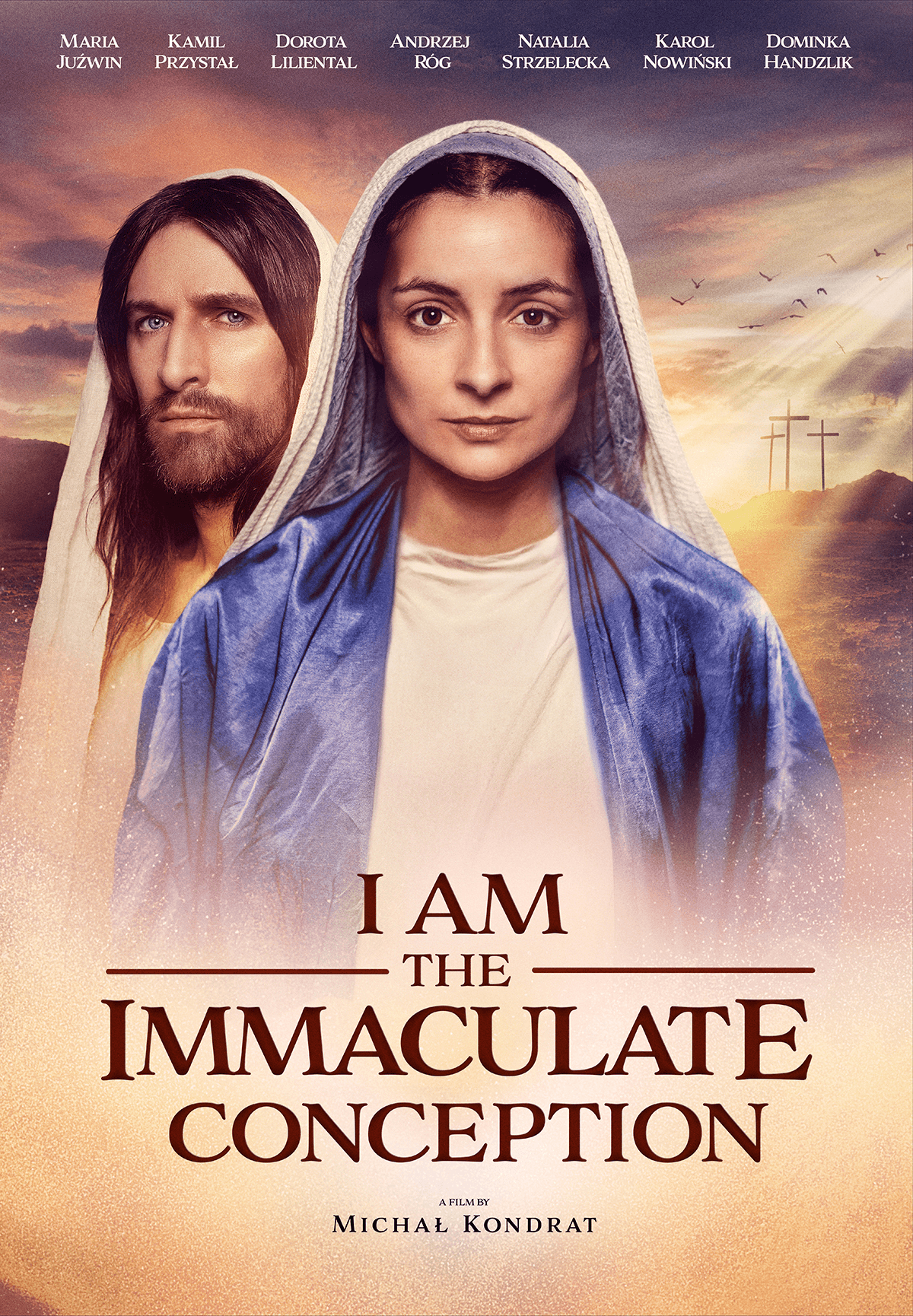
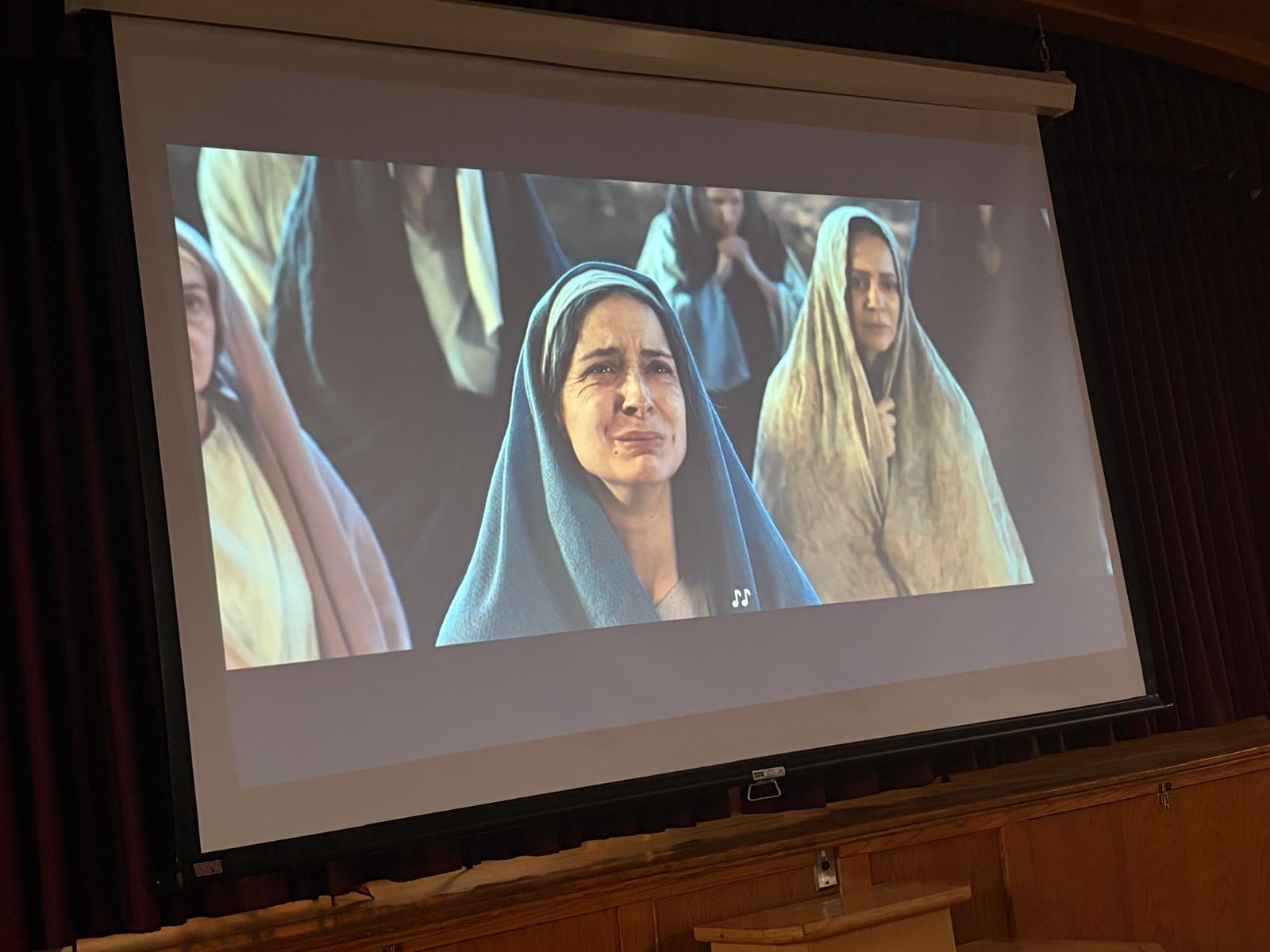
“I Am the Immaculate Conception” is a feature-length documentary from 2024 directed by Michał Kondrat, which explores the phenomenon of the Immaculate Conception and the role of Mary. The film combines interviews with experts from Poland, the United States, and France with dramatizations of Gospel scenes . The film explains the apparitions and Mary’s significance in the plan of salvation.
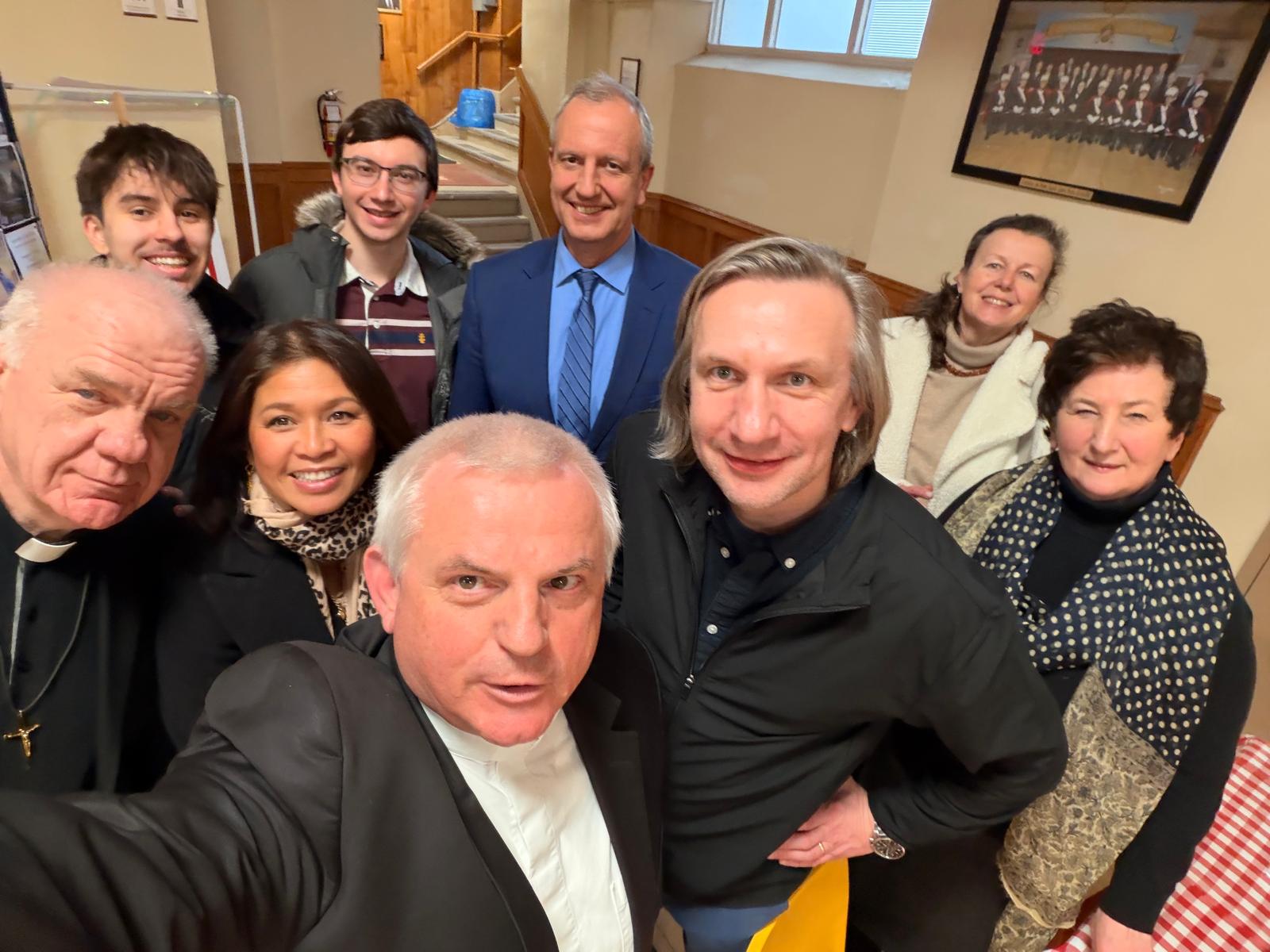
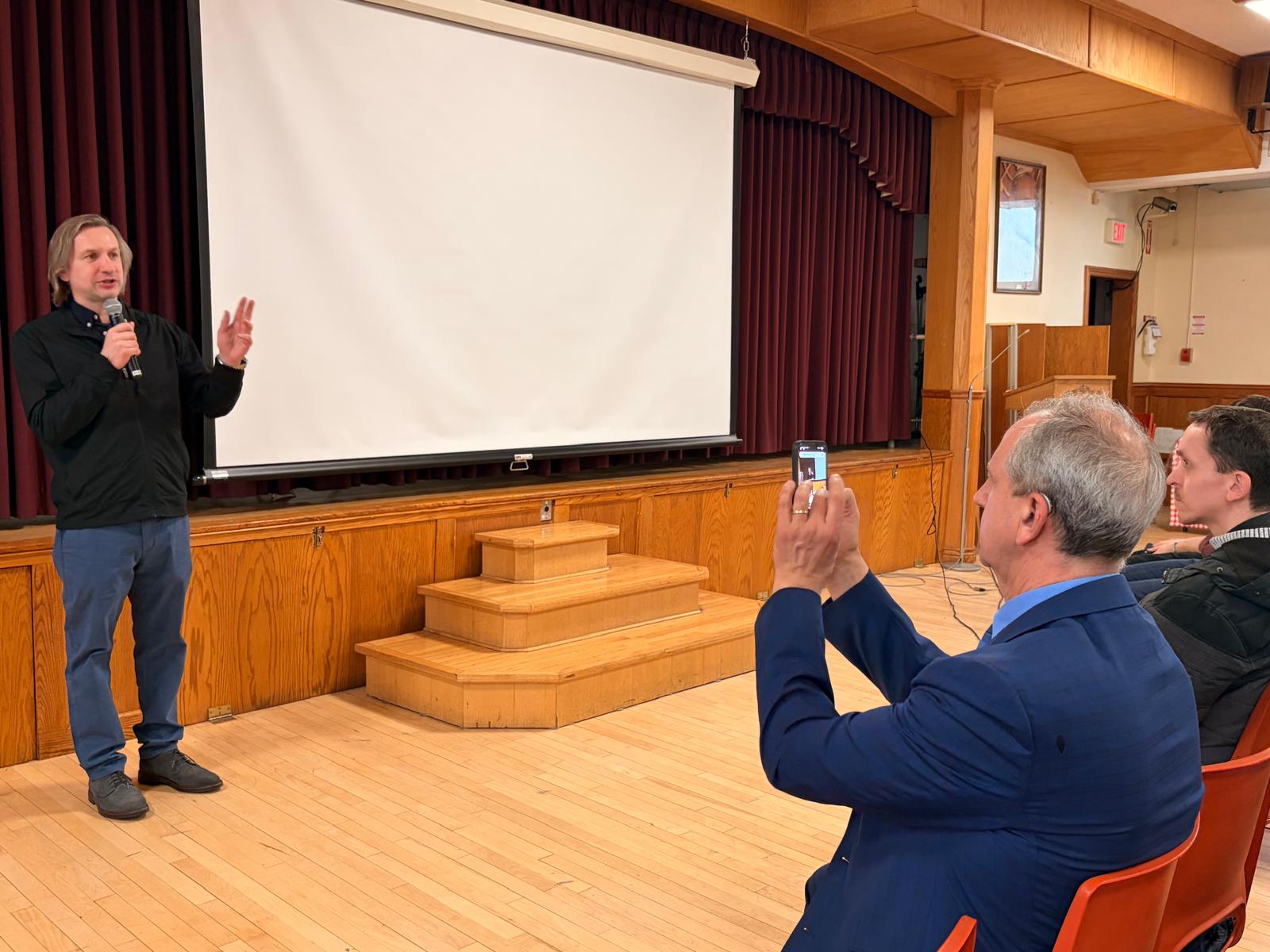
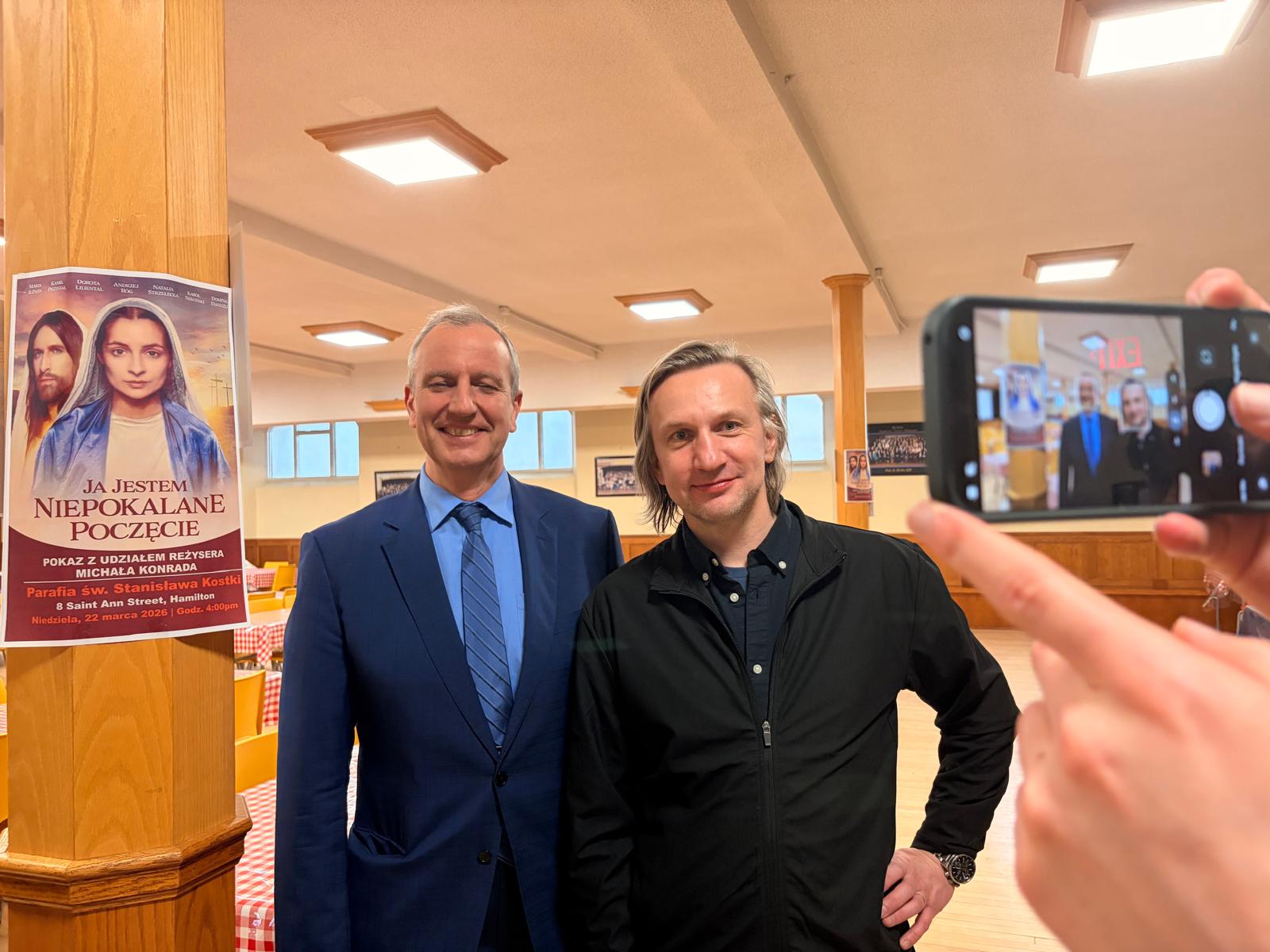
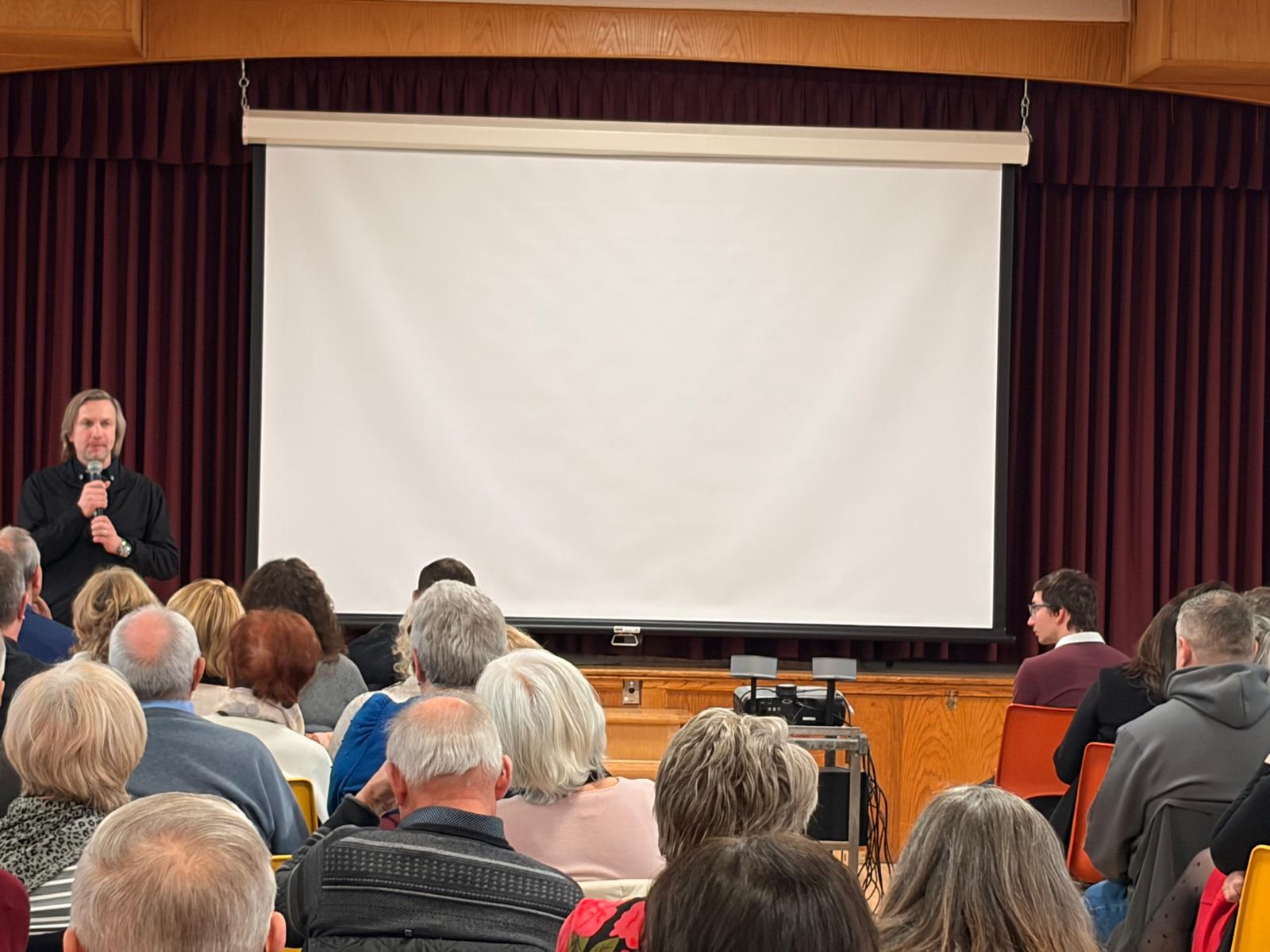
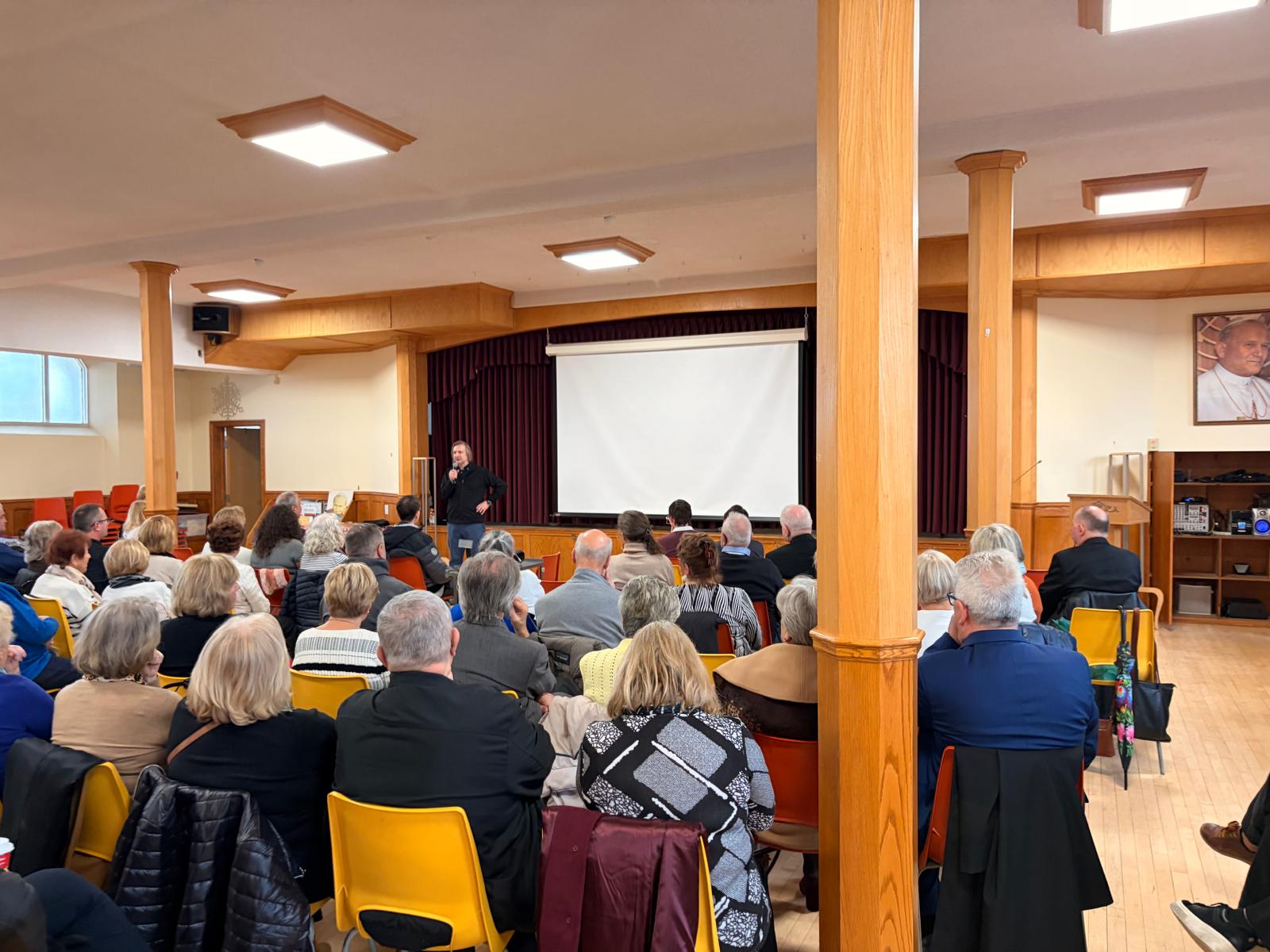
And it was this film that parishioners and guests of St. Stanislaus Parish in Hamilton had the opportunity to watch. The projection was organized by the parish priest, Fr. Marian Gil, with the participation of the director, who spoke about the film and its production after the projection and answered questions from the audience. This is not Mr. Michał Kondrat’s first visit to Canada to promote his films. He is the creator of such well-known films as *Two Crowns*, a story about St. Maximilian Kolbe; *Love and Mercy*, about St. Faustina; and *Purgatory*, based on the visions of Fulla Horak, as well as many other productions.
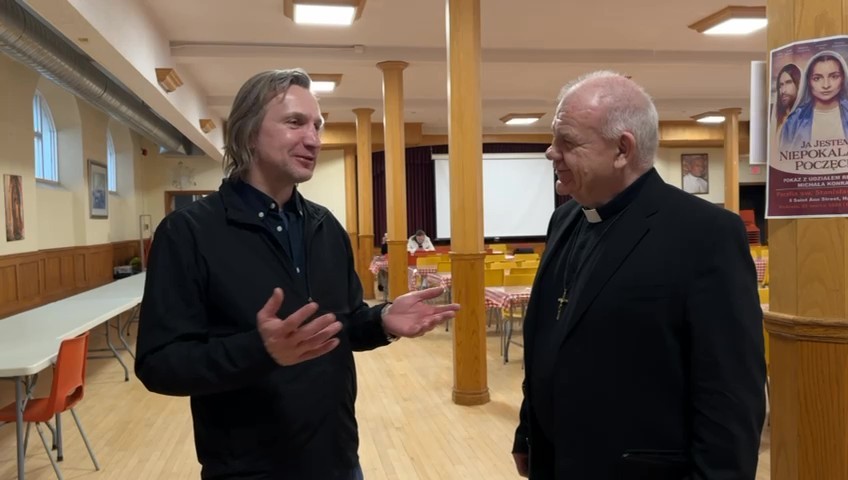
After the movie and meeting with the audience, we asked the Director a few questions, which you can read below...
Fr. Kazimierz Tyberski OMI (FR): God bless you, Mr. Michał!
Michał Kondrat (MK): God bless you!
FR: We are meeting in Hamilton for the screening of the film *I Am the Immaculate Conception*. That brings me to my question: where does your passion for making feature and documentary films come from?
MK: Maybe it’s not a passion, because I’d prefer to make pure fiction films; however, the feature-length documentary is a format that has already proven itself in the past, in my previous films, for conveying a wealth of information that simply can’t be conveyed in a feature film. The theme of the Immaculate Conception is very broad, and a feature film isn’t capable of explaining it all, the way experts can. However, all these elements we’re discussing are there to make it more enjoyable to watch and to help viewers use their imagination to step back into the times we’re talking about. That’s exactly why we shoot these feature scenes. It seems to me that this gives the documentary a lighter feel, because there are quite a few of these feature scenes that sort of take the pressure off the constant processing of information. And I think I’ll allow myself to use this format once in a while, but generally, I plan to make mainly feature films in the future.
FR: That’s a great idea; it all comes across as easy and light. If there were too much information, the viewer might lose interest more quickly. Where did the idea for this film—*I Am the Immaculate Conception*—come from?
MK: It all started a while back with a conversation I had with the Marian Fathers, who asked me to help them with a film about St. Fr. Papczyński, which was either already made or unfinished. And I remember watching that film and telling them I couldn’t help them because I would have made the film completely differently. And they asked: how would you make this film? I said that, first of all, it’s hard to get people to come see a film about Fr. Papczyński because he isn’t that widely known. Instead, I would have made a film about the Immaculate Conception. And then that thought kept running through my head. Finally, I was ready to make up my mind and make this film about the Immaculate Conception. The Immaculate Conception kept coming back to me. I realized that this is, after all, an extraordinary thing—God’s plan in creating Mary—that Mary is so important to the world and can be such a great help to each of us. And I thought to myself that if I made such a film, perhaps many Catholics would have a more conscious devotion to Mary. Just as, for example, in Latin American countries, I believe the Mother of God is treated with a certain degree of devotion. Here, however, it seems to me that simply being aware of who Mary is and how I can build a relationship with her might be interesting. We should explore our faith deeply in order to live it more fully.
FR: I don’t know if you’re aware, but we are the Oblates of Mary Immaculate. Both this film and Mary Immaculate are very dear to us. Here’s an interesting fact. One of the key figures in the proclamation of the dogma of the Immaculate Conception was St. Eugene de Mazenod. He very cleverly approached the other French bishops who were somewhat opposed to it. He brought in a retired cardinal who had incredible respect. Faced with this cardinal, who favored the cause of the Dogma, the French bishops had no choice but to support it. If you ever visit Marseille, at Charles Station, as you exit on the left side, there stands in the corner a beautiful golden statue of the Immaculate Mary on a large pedestal. She was placed there as a memorial, in thanksgiving for the proclamation of the dogma of the Immaculate Conception. In this context, I would like to ask, how did you come to know us, the Oblates of Mary Immaculate?
MK: Thanks to one of parishioners, Mr. Andrzej Kumor, who also helped make this screening possible here today.
FR: We’re very happy about that. Just one last thing—a quick question or suggestion: maybe we could record something about the Oblates?
MK: He he he. I’m not saying no. I’m open to anything. However, first of all, the story has to be interesting. And secondly, I have a rule that if I’m thinking about making a film, I don’t decide to do it until I feel a real urge in my heart to do so.
FR: I notice that you are interested in religious topics, which likely stems from your faith. That’s why I think missions are also a good topic, especially those in the Arctic—these are the missions where the Oblates have been and continue to serve. Canada was largely evangelized by the Oblates, including Polish missionaries. One of them is the Servant of God, Brother Antoni Kowalczyk. An incredible figure, a simple brother who lost his arm on a mission. He possessed an incredible holiness within him. I think he’s a man for our times—simple and with a simple piety.
MK: I’ve heard of him. I even saw a 17-minute video about him on Facebook. A longer one would be nice. He he.
FR: Thank you very much, Mr. Michał. I hope our collaboration doesn’t end here, that we’ll meet more often. You’re always welcome to visit our parishes.
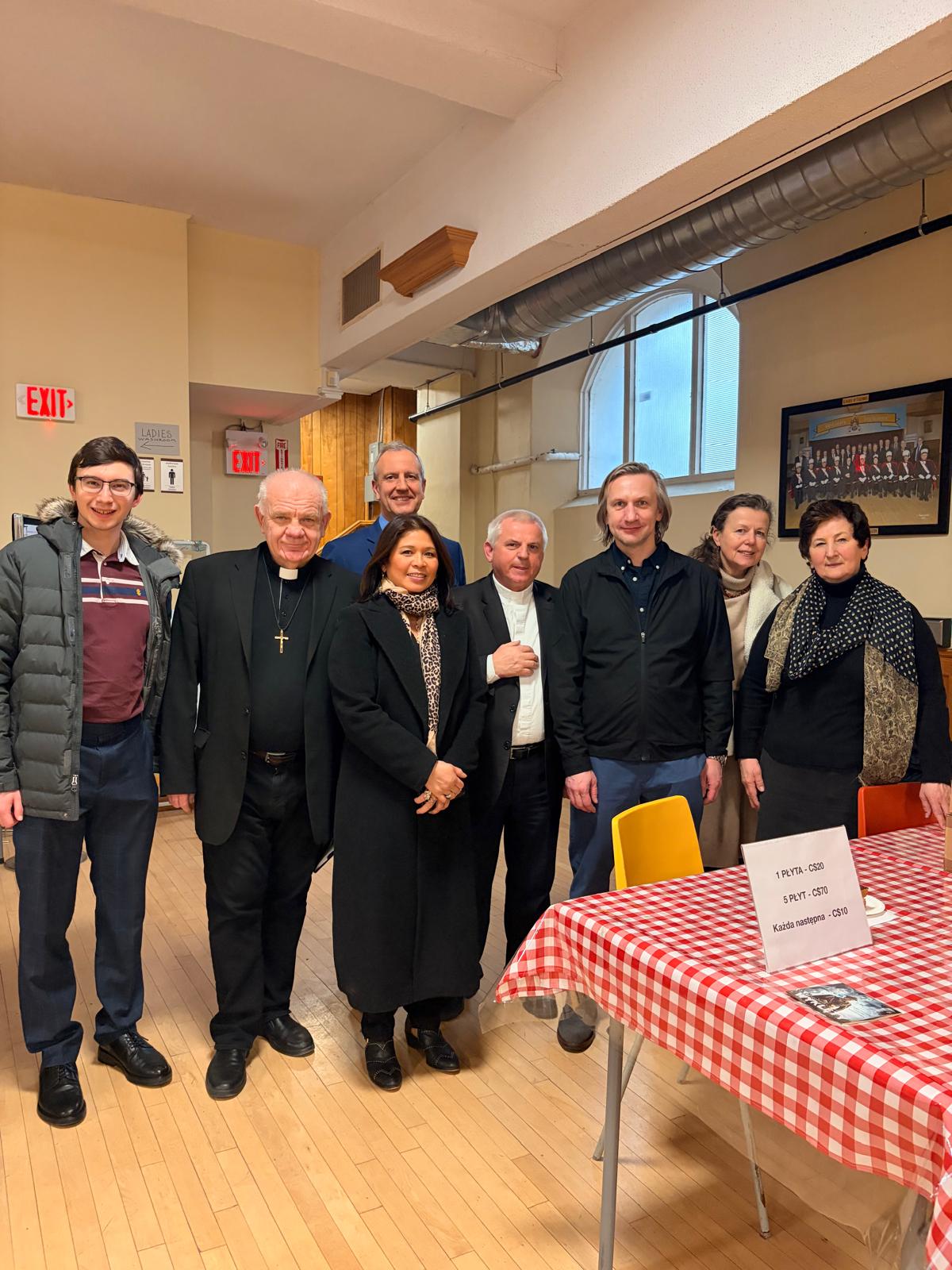
(TJ/DJ; photos: Fr. Marian Gil OMI)
Michał Kondrat is a Polish film director, producer, and writer best known for his work in Christian cinema. Born on September 13, 1978, in Warsaw, he has focused his career on creating and distributing films that explore Catholic values, saints, and religious history. More: https://michalkondrat.com/